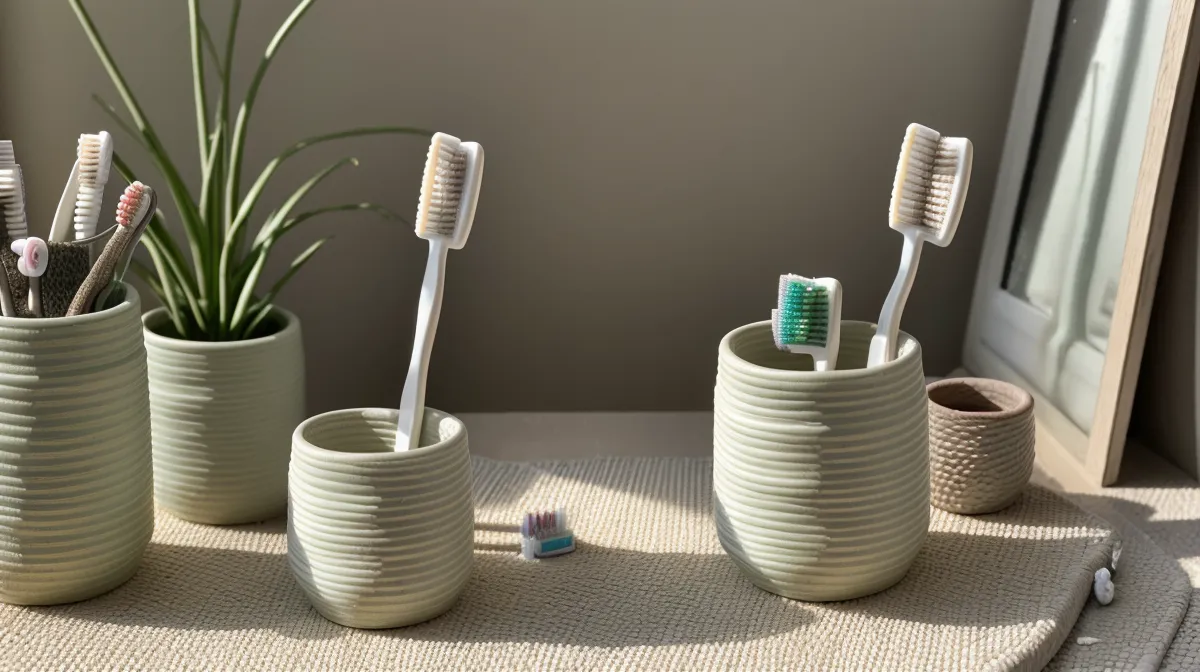
My electric toothbrush is still buzzing in my hand when I set it down on the counter, unfinished, and reach for the plain manual one sitting next to the sink instead. That hum, that specific high-pitched hum, does something to my chest that has nothing to do with plaque. Dental anxiety works like that. It takes an ordinary bathroom task and turns it into a sensory trigger before you've even opened your mouth. I've spent years rebuilding a manual toothbrushing routine and paying closer attention to my oral microbiome than I ever expected to, and none of it started with a plan. It started with putting the buzzing thing down.
Quick disclosure before I go further — some of the links below are affiliate links, and if you buy through them I earn a small commission at no extra cost to you. I only mention things I've actually used in my own bathroom. I'm not a dentist or any kind of medical professional, just someone who has spent years figuring out how to take care of her teeth without a panic spiral every time she has to open her mouth for a professional. Talk to your own dentist before changing anything based on what worked for me.
The short version of how I got here: a filling gone wrong at eight years old, then almost a decade in my twenties where I didn't see a dentist at all. That avoidance caught up with me eventually — two root canals, more tears than I'd like to admit to a stranger on the internet. These days my bathroom, in a rented apartment in Capitol Hill, is where I actually manage this. Not a waiting room.
The Hum That Still Sounds Like a Drill
Electric toothbrushes market themselves on vibration counts and built-in timers, and on paper the pitch makes sense; more motion should mean a better clean. For me the problem was never the logic, it's the sound. That frequency sits close enough to a dental drill that it doesn't matter how many times I remind myself it's just a toothbrush. My body reacts before my brain catches up, which is the maddening part of how the autonomic nervous system behaves once you've got a trigger like mine wired into it. I'd catch myself rushing, holding my breath, basically fleeing my own sink.
Why I Went Back to a Plain Manual Brush
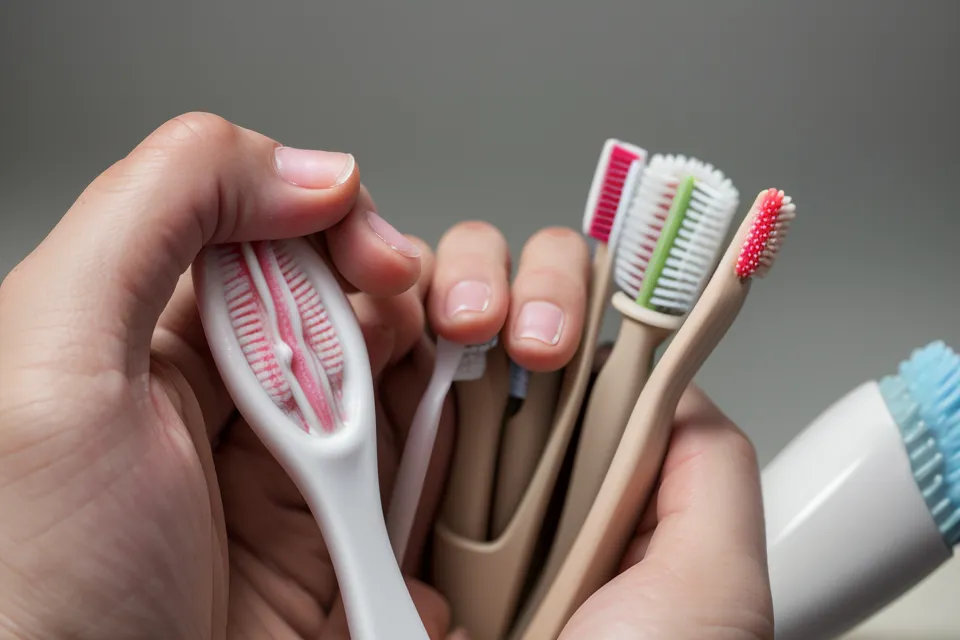
Somewhere in there I noticed I was skipping brushing some nights entirely, which is a genuinely bad trade for someone trying to stay out of a dental chair. So I put the electric brush in a drawer and picked up a plain manual one, and the anxiety dropped almost immediately. Manual brushes ask more of you physically — there's a reasonable case that they take more effort and better technique to match an electric brush for plaque removal — but that effort is exactly what makes it work for me. I'm doing the work with my own hand, at my own pace, and nothing is buzzing at a frequency my nervous system mistakes for a threat.
Learning the Pressure and Angle Myself
Switching back meant relearning things an electric brush had quietly been handling for me. Pressure, mostly. I used to grip too hard — the way you do when you're just trying to get a task over with — and I'd feel it in my gums an hour later. It took real practice to soften my hand, to hold the brush more like a pencil than a tool, and let the bristles do the work at the gumline instead of scrubbing sideways like I was scouring a pan. Angling the brush toward the gumline instead of straight into the tooth made the biggest difference, and nobody explained that to me — I just kept adjusting until my gums stopped complaining the next morning. That's the part of manual brushing nobody markets: you have to actually learn your own mouth, one clumsy week at a time.
Backing Up the Basics: What Else Changed in My Bathroom
Going manual meant I couldn't lean on a motor to cover for whatever I missed, so I started paying attention to everything else in the routine too. My bathroom counter has slowly turned into evidence of that. The ledge above the sink has become a small graveyard of brown glass bottles I keep meaning to sort through, with an open box of baking soda wedged between them that never quite empties. The water flosser's tank sits balanced on the edge of the sink because there's nowhere else for it to go, and the bulb overhead flickers for a half second whenever the heat kicks on — it used to startle me, now it barely registers.
One thing that actually moved the needle was paying attention to my oral microbiome instead of just scrubbing harder. I started taking ProDentim to support that side of things, and that filmy feeling on my teeth by mid-afternoon stopped showing up as often as it used to. It's not treating gum inflammation and it's not replacing anything a dentist would do — I still handle plaque control mostly through brushing and the occasional pass of floss, not a supplement. I've also tried ProvaDent when I wanted something aimed more specifically at morning breath, which is its own kind of anxiety trigger when someone's leaning in close to your face. The longer version of that experiment is in my honest experience with oral probiotics if you want it.
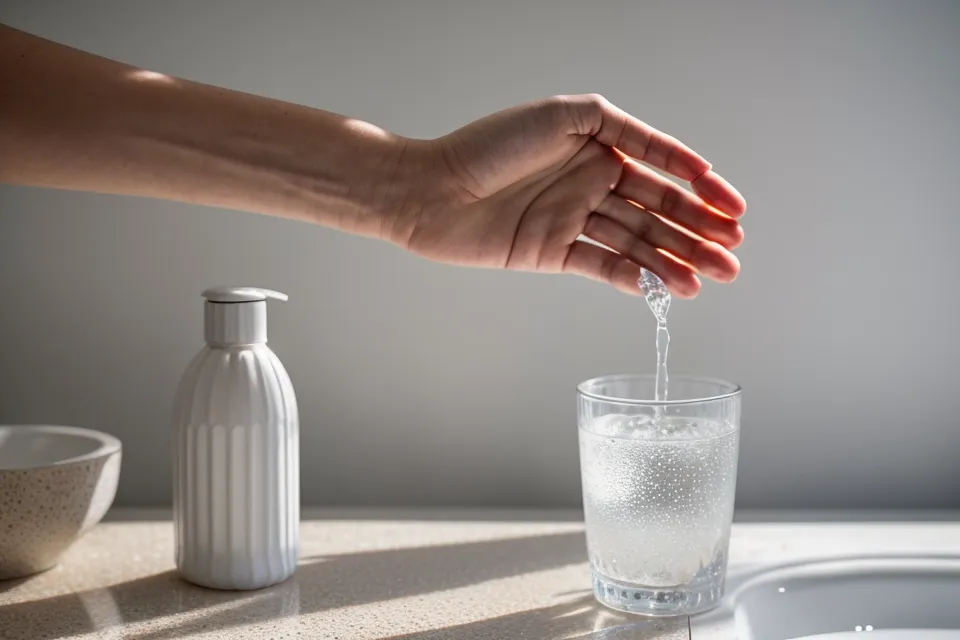
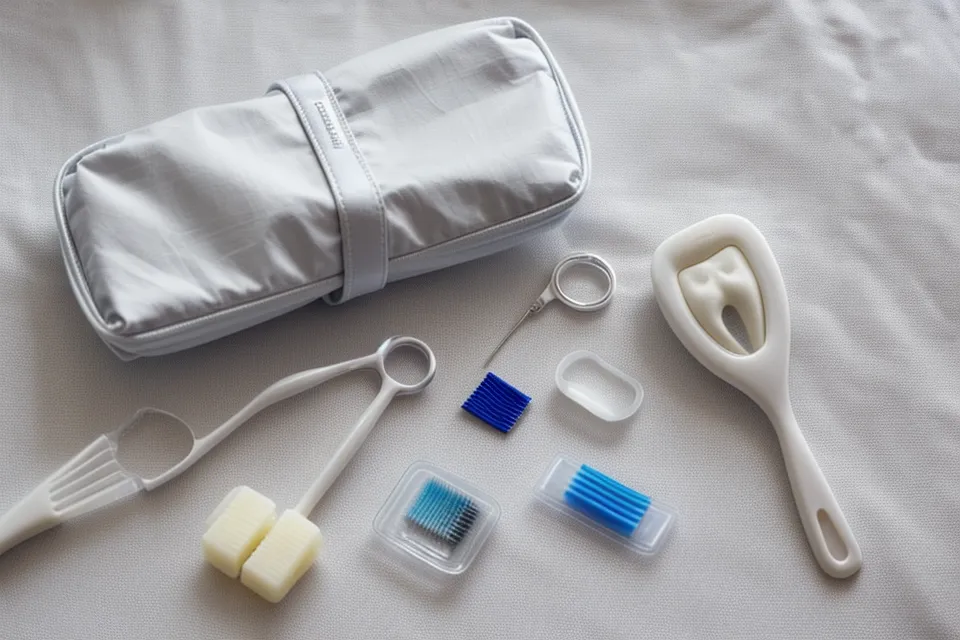
Some nights I finish with a plain saltwater rinse, and there's a specific pull it has at the corners of your mouth in the second before you spit — small, almost nothing, but it's become part of how I know I'm actually done, the same way flipping off the bathroom light used to signal that. When I travel I keep a smaller, budget option like BioDentex in my bag instead, since it doesn't need to be anything fancy to keep gums feeling steady for a few days away from my usual setup. I've got a full rundown of my essential items for my travel dental kit if you're the type who needs a packing list to feel less anxious about being away from your routine — which, same.
The Reader Who Asked Me to Just Pick One
A reader named Wren emailed me a while back, after reading something I wrote about avoiding the dentist for the better part of a decade. Wren wanted specifics — which manual brush, what bristle firmness, whether the probiotic actually did anything measurable — the kind of detailed questions I respect, mostly because I ask them myself before committing to anything new. I didn't have a tidy answer. What I told Wren is what I'm telling you: the "best" toothbrush is the one that doesn't make your chest tighten before you've even started.
What Ten Weeks of This Actually Looked Like
None of this happened on a clean timeline. Twice last year I booked a dentist appointment and canceled before I'd even confirmed the time on my calendar. The third time, I canceled the same morning, already dressed, keys in hand, and just didn't go. That's the pattern dental anxiety builds if you let it — scheduling as a way to feel responsible, canceling as the actual coping mechanism. The manual brush and the probiotic didn't fix that pattern, not directly. What they did was slower and smaller. Around week ten of sticking with the new routine, I flossed one night and the strip came away completely white — no pink thread running through it, no metallic taste after, which had genuinely never happened in years of half-panicked flossing. I didn't trust it at first. I checked again the next few nights just to be sure it wasn't a fluke.
Would I Recommend Manual Over Electric?
Depends entirely on what your body does when something buzzes near your face. If an electric brush doesn't bother you, the vibration probably does help with plaque control, and I'm not going to pretend otherwise. But if you're anything like me — if that sound puts you right back in a dentist's chair you haven't sat in for years — a manual brush you actually use every night beats an electric one gathering dust in a drawer. If you're rebuilding your own routine around triggers like mine, I put together a longer guide on building a sensory-safe oral care routine that goes past just the brush.
I still get that pit in my stomach driving past a dental office. I still walk laps around Sloan's Lake and text my old friend Quincy Baumgartner the second I start spiraling about an upcoming appointment, and Quincy's replies are reliably absurd and have nothing to do with teeth, which somehow works better than anything clinical would. Managing this isn't something I solved once and moved past. It's something I do every single night, on purpose, with a brush I control completely — and that's the actual lesson here, not some tidy ending: control the parts you can, forgive yourself for the appointments you cancel, and let that be enough some days.
If you're dealing with the same sensory overload I used to get from an electric brush, start with the basics: a manual brush that actually feels good in your hand, and something like ProDentim to support what brushing alone can't reach. It won't make the dentist any less scary. But it's kept me out of that particular chair for years now, and most nights, that's the whole win.
| Product | Rating | |
|---|---|---|
| ProDentim Top Pick | 9.4 | Read More → |
| ProvaDent | 8.9 | Read More → |
| BioDentex | 8.5 | Read More → |
ProDentim
Pros
- ✓ Supports the 'good' bacteria that manual brushing might miss
- ✓ Zero sensory triggers—just a simple dissolvable tablet
- ✓ Keeps breath fresh without harsh, stinging mouthwashes
- ✓ Helps maintain gum health between those rare dental visits
Cons
- ▹ Needs to be used daily for the best results
- ▹ Only available online, which requires a bit of planning