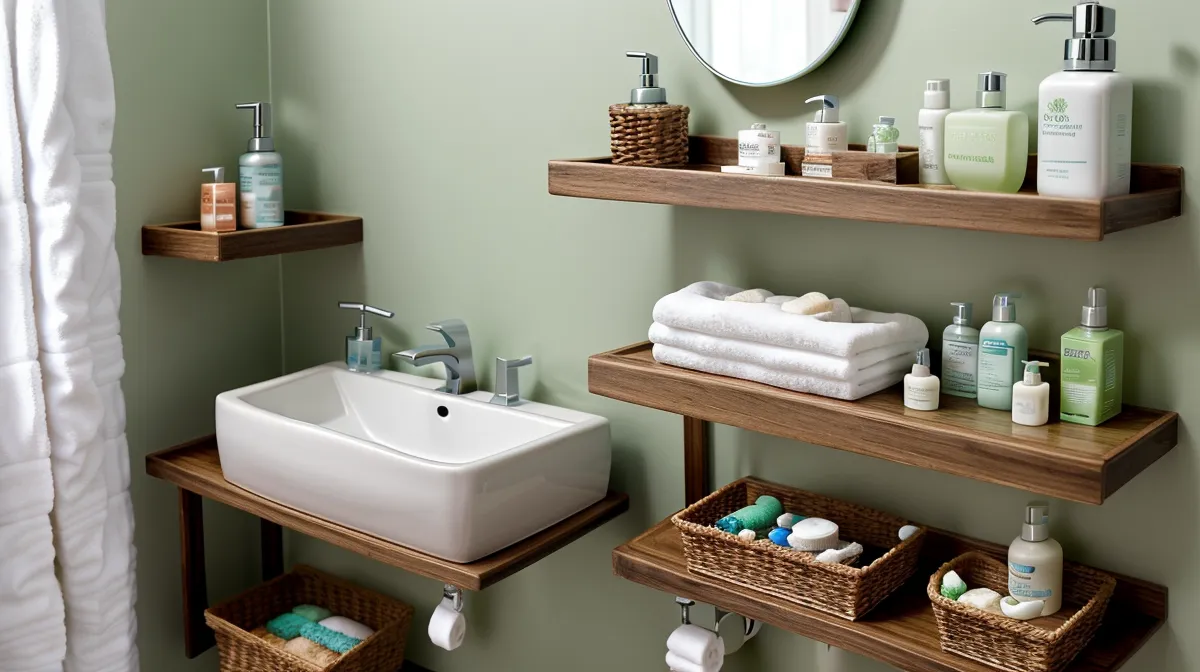
An electric toothbrush and a dental drill hit close to the same pitch. One gets ignored while you scroll your phone, the other can flatten a grown adult in a parking lot before they even reach the door. That gap is the entire logic behind the sensory-safe oral care routine I've spent years assembling. Dental anxiety rarely lives in your teeth. It lives in your ears, your nose, the muscles in your jaw that clamp before anything even touches them. Home oral care built around that reality — not around what a hygienist recommends off a laminated chart — is what's kept me out of that chair for long stretches at a time, and remineralization habits ride along with everything else in the routine whether I set out to think about them or not.
What Does "Sensory-Safe" Actually Mean for a Home Routine?
Sensory-safe means picking every tool, texture, and flavor in your routine based on what your nervous system can actually tolerate, not what's marketed as the most effective. A soft-bristle manual brush might do less for plaque than a sonic one, but if the vibration sends you straight back to that reclined chair, it's not the better option for you. I built my own version of this over eight years of trial and error, and there's a whole separate piece on building an anxiety-specific routine from the ground up if you want the long version. This one stays focused on the sensory piece alone.
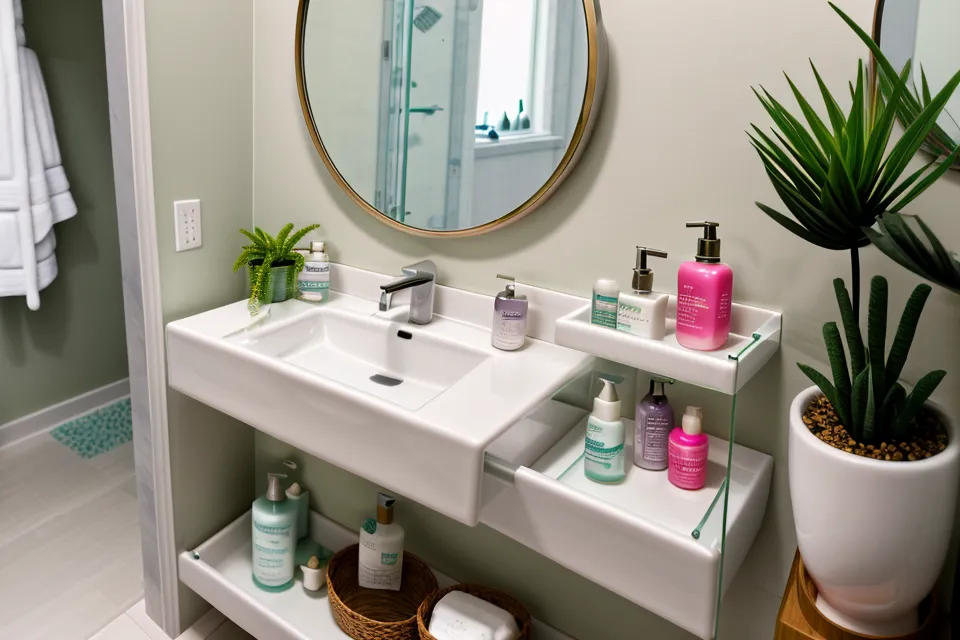
Foam earplugs and a small bottle of peppermint oil live in my bag now, not because either one is medically necessary, but because muffling the ambient buzz and controlling the scent around me instead of one a clinic picks for me makes a real difference in how my body reacts before I even sit down.
The Sound of an Electric Toothbrush Is Not the Sound of a Drill
They share a pitch, not a meaning. Separating the two took longer than I want to admit. My brain had filed "high frequency buzzing near my mouth" under one single threat category for most of my adult life. People with flight anxiety use noise-cancelling headphones and a fixed seat routine to retrain what their body expects on a plane. I did something similar at the sink: same brush, same angle, same three songs on repeat, until the sound stopped meaning "something is about to hurt" and started meaning nothing more than Tuesday morning.
That kind of repetition is basically exposure therapy without a therapist's office attached to it, which is either a smart workaround or a coping mechanism with a design degree, depending on the day you catch me.
Can a Water Flosser Replace Traditional String Floss?
For me, yes. String floss too close to sensitive gum tissue was a trigger on its own, not just an inconvenience, so a water flosser became the only interdental tool I'd actually use every day. That's a narrower answer than the full comparison deserves, and there's a more complete breakdown elsewhere weighing water flossers against interdental brushes for people without a sensory issue driving the decision. What matters here is consistency: a slightly less thorough clean you actually do every single day beats a perfect one you keep avoiding.
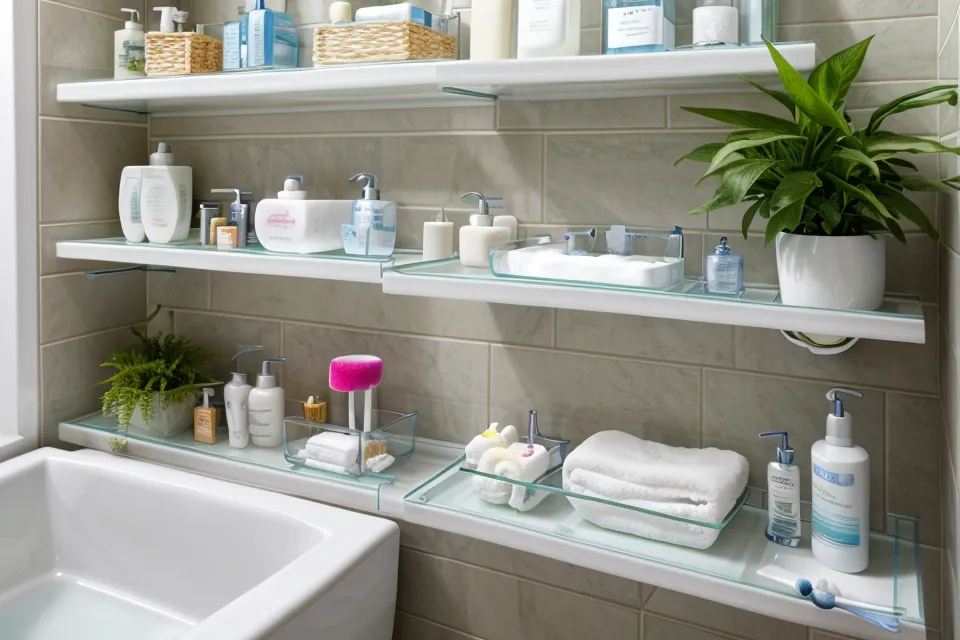
Mine sits on the edge of the sink in a small, renovated bathroom in my Capitol Hill apartment that's turned into something between a lab and a junk drawer — reservoir, half-used tubes, the works — because putting it away every night was one more excuse to skip it.
The Gummies That Did Nothing for Appointment Dread
A bottle of over-the-counter calming gummies sat in my kitchen for a while before I admitted they weren't doing anything for the dread that shows up days before an appointment. They tasted fine. They did nothing else.
My neighbor Imogen Ruvalcaba, who's been rebooking the same cleaning almost as many times as I have, asked if the gummies actually worked. I told her the truth: no, skip them, save your energy for something that touches the sensory side of the fear instead of trying to chemically flatten it.
Reva Nakashima, my neighbor two floors up, has an herbal remedy for nearly everything — and she's also the first to admit when one doesn't land. The tincture she handed me for that same appointment dread ended up in the same drawer as the gummies, untouched.
Learning to Read My Own Mouth Instead of Waiting for Pain
There's a specific, quiet check I do now instead of waiting for a flare-up to make the decision for me — running my tongue along the gumline near a back molar and finding nothing there. Not relief exactly. Just absence, which after years of associating that spot with dread felt like its own small event.
Small victories like that one don't fix anything permanently. They just prove the routine is doing something besides making me feel productive while I avoid a phone call.
Does a Sensory-Safe Routine Also Handle Remineralization?
A little, but not on its own. The basic remineralizing habits — the ones about mineral exposure and enamel strength over time — deserve their own full protocol, and I'd rather point you toward that than squeeze a shortened, less useful version of it in here. What I can say from the sensory side is that texture matters just as much as ingredient choice: a gritty or foaming paste can undo all the calm you just built with everything else in the routine, so I lean toward smoother formulas even when a chalkier one claims to do more.
Bad Breath, Sensitivity, Grinding, and the Rest of the List
Plenty of smaller topics fall under a sensory-safe routine that I don't have room to answer properly here. Gum inflammation and its early signs are their own subject. So is plaque control without a hygienist's tools, sensitivity management for a mouth that reacts to hot and cold, night grinding and what a guard actually does about it, dry mouth from stress or medication, receding gums, bad breath that starts to feel personal, whether a botanical rinse does anything meaningful for inflamed tissue, what abrasive whitening habits do to enamel over time, and how sugar and acidic drinks factor into all of it. Even what belongs in an emergency kit for anxious people who can't just walk into an urgent visit is its own conversation. I'm naming all of it so you know it exists, not because one paragraph can do any of it justice.
This Doesn't Fix the Fear. It Just Makes Room for It.
None of this makes the fear disappear. My stomach still drops at the smell of a waiting room, and I still rehearse what I'll say if someone asks how long it's been. A walk around City Park with Reva turned into an hour of her listing remedies for appointment dread, none of which have worked any better than the gummies did, and we ended up laughing about the sheer number of things we'd both tried instead.
That's closer to the truth of managing this than any finished routine — you build something that mostly works, you keep the parts that hold up, and you throw out the rinse whose mint hits so much sharper than the label promised that it burns halfway down your throat instead of just cooling your mouth.
If you're in the same place I used to sit in — hands on the wheel, unable to make yourself go inside — a sensory-safe routine at home isn't a replacement for that appointment. It's a way to make the waiting less dangerous to your teeth, and maybe a little less lonely.