
When the exact tool meant to protect your dental work turns into the reason you can't fall asleep, there are no easy answers. I don't have a tidy answer, even now. Dental anxiety has a talent for taking the smallest objects — a few inches of nylon string — and turning them into a full-blown crisis in the middle of the night, especially when that string is stuck under a permanent bridge you've spent years protecting. That's what happened to me, and it's what sent me down a long hunt for floss threaders that wouldn't wreck my nerves, as part of the at-home oral care routine I lean on instead of sitting in a dentist's chair.
The floss had wedged itself under the bridge like it had been cemented there — not caught, not snagged, just completely refusing to move. My hands were already clammy. Classic. I've said before that I'd rather deal with almost anything than sit in that chair — tax paperwork, a flat tire at midnight, you name it. Only half a joke. If you've got dental phobia, you understand: it's never really about the floss. It's about the drill, the hygienist's tools, the whole visit I was suddenly convinced I'd be forced into by morning. I got the floss free eventually, slowly, with my heart going the whole time, and sat on the edge of the tub telling myself I needed a completely different system before this happened again.
Walking it off the next morning helped more than I expected. Cheesman Park was nearly empty, and I ran into a neighbor on her way to a pottery class at Denver Pottery, clay dust still dried on her forearms. She let me vent about the whole floss disaster without once making me feel ridiculous, then said something like, maybe the tool's the problem, not you. It was such a small comment, but it reframed the whole thing for me — I'd been treating my fear as the issue when really I just owned the wrong threader for the job.
The High Stakes of Bridge Maintenance
A mouth with a permanent bridge isn't really a standard set of 32 permanent teeth anymore. It's more like a small structure with a blind spot built into it, and that blind spot is exactly where plaque loves to hide. For me, that gap under the bridge is the one place I know I can't afford to skip, because skipping it is how I ended up needing two root canals in the first place. Ignoring it isn't an option, but the tools made for reaching it are exactly the ones that used to make my hands shake.
Most people reach for a standard floss threader, one of those small plastic loops shaped like an oversized sewing needle. If you've got a sensitive gag reflex or any amount of dental anxiety, that description alone probably makes you wince. Mine certainly did, for weeks. The scrape of a plastic tip against porcelain sounds uncomfortably close to a dental scaler, and once your brain makes that connection, every single flossing session turns into a tiny rehearsal of the thing you're trying to avoid.
Stiff Loops or Soft Tips: Which One Actually Works?
Nylon 6-6 shows up in nearly every threader on the market because it holds a shape without turning brittle — that's the whole appeal of Nylon 6-6 as a material. What actually differs between brands is how that nylon gets shaped at the tip. Separate loop threaders are usually around six inches long, with a hard plastic eye you thread your own floss through before pushing the pointed end between your teeth. They work, but the tip can be sharp enough that I'd catch myself holding my breath every time it clicked against my bridge.
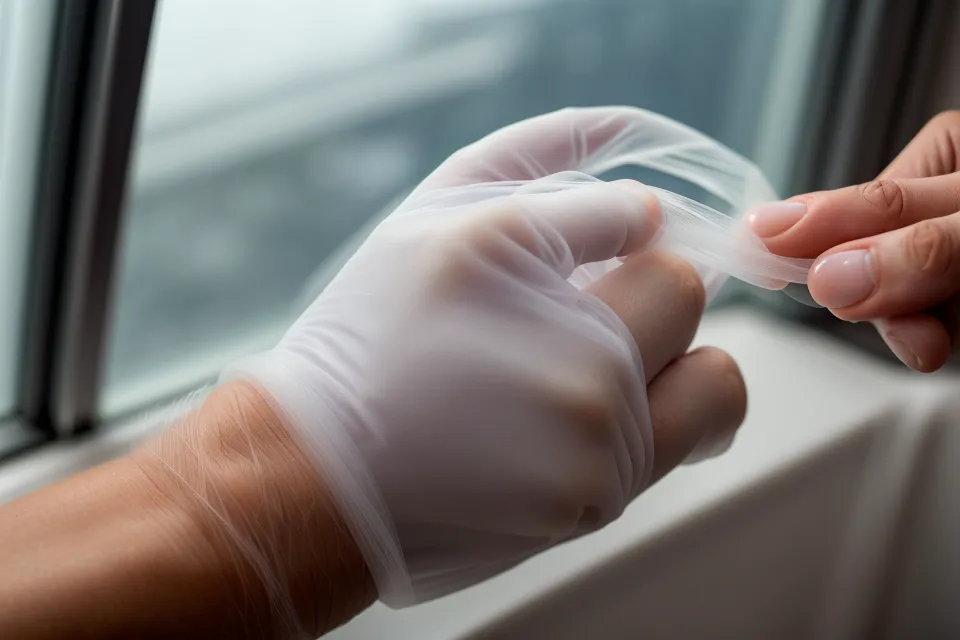
Stiffened-end floss skips the separate loop entirely — the last inch or so of the string itself is coated in a hard wax so it can act as its own needle. It tends to feel gentler against the gumline, but it can be too flimsy to push through a tight Type II embrasure, which is just the gap where your gum has pulled back slightly. A flimsy tip bends instead of threading through, and you end up poking at the same sore spot over and over until it bleeds. Seeing blood in the sink is a fast way to ruin an otherwise calm night.
Finding the Flexibility Sweet Spot
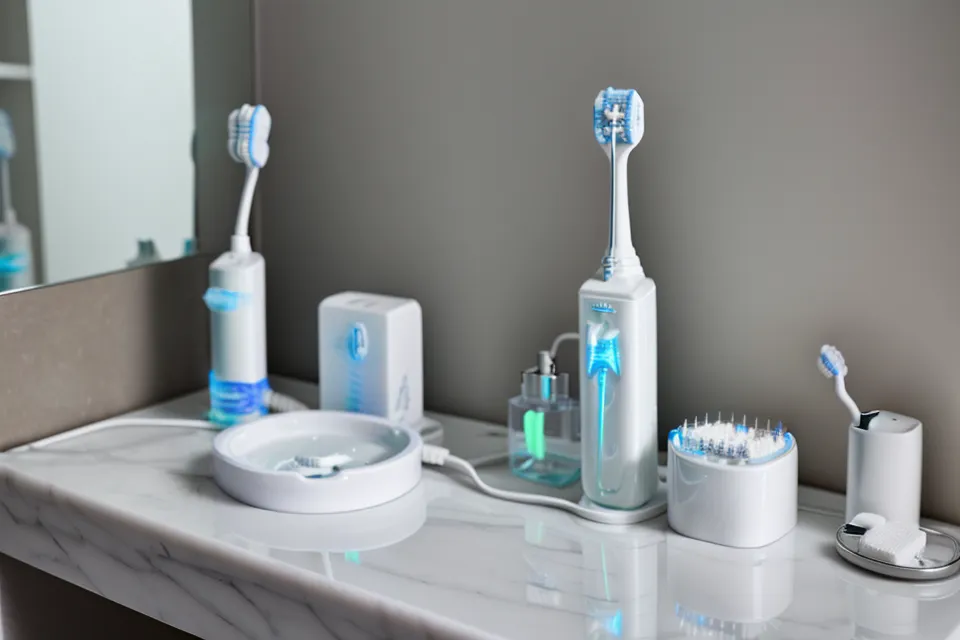
Tip flexibility mattered more than any brand name, once I actually paid attention to it. A threader needs to be firm enough to guide through a tight gap but still flexible enough that it doesn't feel like you're threading a needle through your own gums. The ones that worked best for me had a slightly tapered tip, so it eased in instead of popping through all at once. Smell mattered too, oddly — I stick to unflavored, waxed floss now, paired with the rhythm of an electric toothbrush, and together they're part of the anxiety-proof dental routine I've built over the years to avoid the professional chair.
Early in this process I tried charcoal toothpaste, convinced it would toughen up my enamel and calm the sensitivity down. It did the opposite — my teeth felt rawer within days, and I dropped it fast. That failure taught me something useful: anything marketed as "natural" isn't automatically gentle, and my gums don't care about marketing. Around the same time I switched to a water flosser for the off days, and there's a specific sensation I've gotten used to — the cool rim of the reservoir pressing into the side of my hand while I fill it at the sink, right before the quietest part of my routine starts.
When to Put the Threader Down
Here's something that might sound like heresy: if daily threading makes you so anxious that you start avoiding your whole routine, stop doing it daily. Consistency you can actually sustain beats a perfect routine you abandon after two weeks. I switched to threading every other day and filled the gaps with a water flosser and a soft interdental brush, which handles the same tight spaces from a different angle. It's not quite as thorough against sticky plaque as string floss, but for keeping my stress down, the trade was worth it.
About four weeks into that new rhythm, something small confirmed it was actually working. I was on a work Zoom call, laughing at something a coworker said, and I caught myself grinning straight into the camera without once thinking about hiding my mouth. That hadn't happened in longer than I want to admit. It wasn't dramatic, nobody declared victory, but it told me the alternating system, not just the threaders themselves, was doing its job.
What the Drawer Taught Me
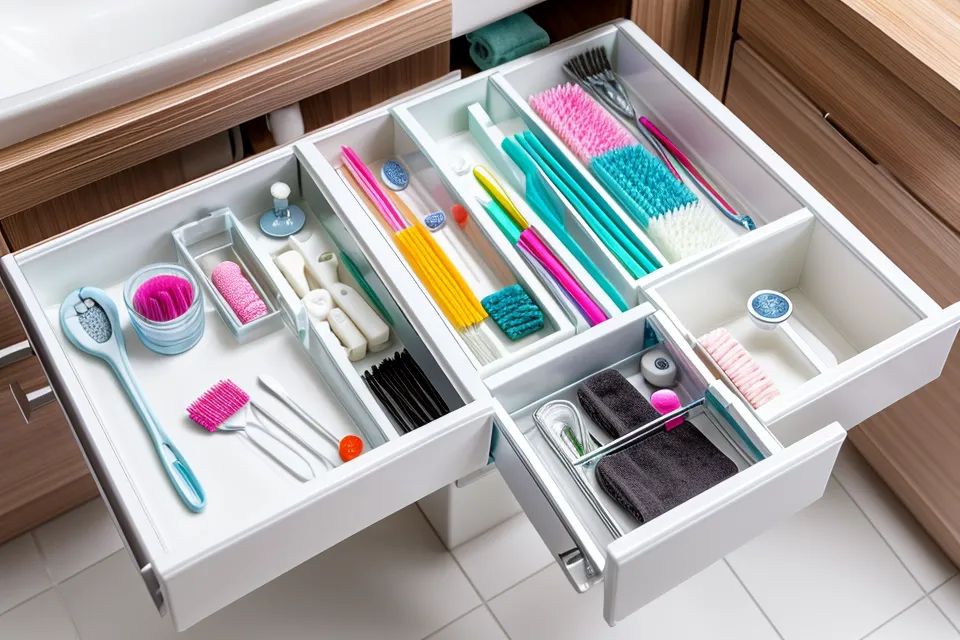
One quiet afternoon, I sat down and actually organized my bathroom drawer of oral care tools, which had turned into a chaotic little collection. Looking at the different packs of threaders lined up by gap size, I noticed I wasn't dreading any of it anymore. I knew exactly which threader handled the tight spot on one side and which one was soft enough for the sensitive spot on the other. That's not nothing, for someone who used to white-knuckle her way through flossing.
Picking the right threader ended up being less about hygiene and more about control. A dentist's chair takes nearly all of it away: mouth open, unable to talk, someone else making every decision. At home, I'm the one deciding the texture, the pressure, the pace, even which days I skip the harder tools entirely. It's the same logic a lot of people use for anxiety in general: you pick your battles, face the hard thing on your own terms when you can, and give yourself permission to sidestep it on the days you can't.
I've also gotten more proactive about gum health in general, since the idea of a deep cleaning at the dentist terrifies me more than almost anything else on this list. Staying ahead of inflammation at home is part of that — why I use ProvaDent to support my gums between dental visits, alongside the routine already mentioned above that I rely on to stay out of that chair.
A Few Last Things Before You Buy
If you're standing in a drugstore aisle trying to pick a threader today, here's what actually matters. Skip anything with a rigid-looking plastic tip and look for words like tapered or flexible on the package — your gums will thank you. Go for something close to six inches long, since a shorter threader is harder to grip firmly and more likely to slip and jab your cheek instead of your bridge. And if a brand makes a bridge-specific version with a thicker, slightly spongy middle section, grab that one — it clears bigger gaps without the scratchy feeling that sends a lot of people like me running.
The single thing I'd want anyone else with this kind of fear to take from all this: the right tool isn't the one with the best reviews, it's the one that matches your specific gap and your specific tolerance for sensation, and figuring that out takes some trial and error you can't skip. Managing dental anxiety isn't a problem you solve once and move past. Some nights I still flinch at a clicking plastic tip, and some weeks the only win is brushing at all. That's fine. The goal was never fearless flossing. It was just flossing that doesn't wreck my whole night.