
A cold ice pack and a cup of warm salt water promise the same thing: quiet, though they get there in completely different ways. One blunts wisdom tooth pain fast, then hands some of it back with interest an hour later. The other works slower and actually holds. If dental anxiety has kept you out of a dentist's chair and you're trying to manage a flare-up tonight, that difference is the whole ballgame.
Quick disclaimer, because it matters more than anything else here: I'm not a dentist, not a nurse, not anyone with medical training. Everything below is for a narrower situation than an emergency room visit—a wisdom tooth that's loud and swollen but not accompanied by a fever or spreading infection, and a person too anxious about the dentist to pick up the phone yet.
I have scheduled three separate dentist appointments over the years and canceled every one of them before I could talk myself into walking through the door. That's not a flex. It's just the honest starting point for everything else in this piece—if you've done the same thing, you already know panic doesn't negotiate, no matter how many times you remind yourself a cleaning is not, medically speaking, a torture chamber.
Numbing It vs. Calming It Down
My bathroom has turned into something like a small pain-management lab over the years. The window ledge holds more brown glass bottles than I could name from memory, plus a jar of baking soda nobody in this apartment actually uses for cooking anymore. None of the toothpaste tubes on the shelf below match, and most of them are squeezed in the middle instead of from the bottom, which tells you something about how calm I am during a flare. Filling the water flosser reservoir before any of this starts, the cold plastic rim presses into the heel of my hand for just a second—the one part of the routine that still catches me off guard every time.
Two broad strategies live in that bathroom, and they work against each other more than people realize. The numbing strategy—ice, cold water, anything that makes the area go quiet fast—feels like relief within seconds. The calming strategy—warm salt rinses, soft food, keeping your bite off that side of your mouth entirely—takes longer to kick in but doesn't ask you to pay it back later.
Calming, in practice, means boring choices. Yogurt and blended soup eaten with a spoon instead of a straw, since suction on a swollen gum flap is its own kind of trouble. Every bite shifted onto the opposite side of my mouth, on purpose, so trapped food doesn't keep working its way under that irritated flap of tissue—the one dentists call pericoronitis when a wisdom tooth hasn't fully come in. Brushing with an ultra-soft brush, bristles angled away from the gum line instead of scrubbing straight into it.
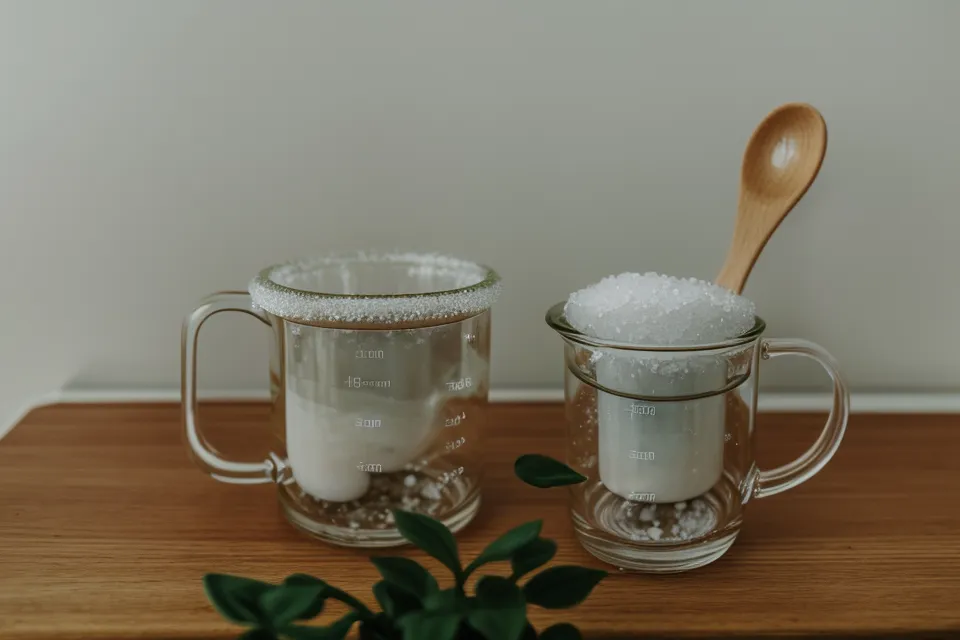
Why the All-Night Ice Pack Backfires on Wisdom Tooth Pain
That ice pack earns its reputation in the first ten minutes. Pressed against a throbbing jaw, wrapped in a thin towel so it doesn't burn the skin, cold genuinely quiets a loud nerve fast. Comparing that quick fix to the longer game is where things fall apart.
Left in place for close to an hour instead of fifteen or twenty minutes, that same ice pack can leave the jaw throbbing harder once it's removed, not softer. I learned this one the slow, miserable way, holding a cold pack against my cheek while staring blankly at my laptop, convinced that longer meant more relief. It didn't. Short stretches win: a towel-wrapped pack for fifteen to twenty minutes, then a real break of roughly equal length before the next round, for as many rounds as the evening requires.

Salt Water Rinse or the Mouthwash in Your Cabinet?
Reaching for the strongest thing in the medicine cabinet feels productive when a tooth is screaming. Alcohol-based mouthwash marketed for gum health looks like the obvious move. On raw, swollen tissue, it is close to the opposite.
Salt water doesn't carry that risk. A mild, lukewarm rinse, tilted back and held over the sore side for half a minute before being allowed to fall out rather than spat forcefully, calms the area without stinging it further. I tried the alcohol rinse route once, early on, swishing it straight over that angry gum flap, and the burning sent me halfway across the bathroom. Salt water has never once done that to me.
Pacing Relief Instead of Chasing the Pain
Reactive pain relief chases the ache uphill. Waiting until the throb is unbearable, then taking something, means you're always playing catch-up instead of staying ahead of it.
Staying ahead of it looks almost boring by comparison: taking an over-the-counter anti-inflammatory on a fixed schedule, inside whatever limit is printed on the box, rather than waiting for a spike. I kept a note on my kitchen counter during one bad stretch just to track times and doses, because anxiety turns memory into soup. None of this replaces an actual conversation with a pharmacist or your own doctor, especially if you're on other medication—painkillers are tools that deserve some respect, not candy you reach for on instinct.
When Fear Turns the Volume Up
Panic has its own gravity. A dull ache turns into a four-alarm emergency the second dread gets involved, and nobody warns you how much of a toothache is actually fear wearing a tooth-shaped costume. That's its own topic, deep enough for a whole separate conversation about the body and fear. But the short version is that a clenched, guarded jaw presses directly on the exact tooth that already hurts.
Unclenching helps more than it sounds like it should. Dropping my tongue to the floor of my mouth, letting my lips part just enough to put a sliver of air between my molars, maybe two millimeters, takes real pressure off the back corner of the jaw. One night, mid-spiral, I texted my friend Quincy about it, half expecting sympathy. Instead I got a joke about how my own mouth was apparently plotting against me, which, infuriatingly, worked better than the breathing exercises did.

Ride It Out, or Call for Help?
Home care is a bridge, not a cure, and it was never going to fix a crowded, partially erupted molar on its own. What it can do is buy you enough calm to make an actual decision instead of a panicked one.
Ride it out at home when the swelling is stable or shrinking, the pain responds to rinses and paced relief, and there's no fever or spreading tightness in your face. Call for help now, same day, not next week, if you notice a fever, swelling moving toward your eye or down your neck, trouble opening your mouth wider than a couple of fingers, or drainage that tastes foul and won't quit. That second list isn't a maybe.
If the fear runs deeper than this one flare-up, How I Manage Bleeding Gums After Brushing Without Panic or Dread covers the daily version of the same anxiety. And while you're in that calmer window, it's worth looking up what actually happens after a wisdom tooth comes out, so the procedure stops being the only unknown in the room. See What to Eat After Wisdom Tooth Extraction to Avoid Complications for the practical side of that.
The real signal that the home routine was actually working wasn't a mirror check. It was biting into a cold apple slice without thinking twice first, and the shooting pain that cold always used to trigger just didn't show up. Small, almost stupid, and genuinely the first moment the whole ordeal felt like it was behind me instead of looming over the next bite.
None of this makes the dentist's chair less terrifying, and it was never going to. It just means that between the home strategies you choose—numbing versus calming, reactive dosing versus paced, white-knuckling versus actually calling for help—there's a version of a flare-up where you stay in control of the decision instead of letting the panic make it for you. That's the whole goal here. Not cured. Just steadier.