My tongue finds it before I even think to check, already pressing against a raw, stinging spot on the inside of my cheek, testing exactly how bad today is going to be. That's the opening move, every single time a canker sore shows up. If you live with dental anxiety the way I do, you already know why those first few seconds matter more than they should: a sore mouth isn't just uncomfortable, it's a decision point. Ride it out with home remedies, or let the fear win and book an appointment you'll probably cancel anyway. I will take almost any amount of mouth pain over five minutes in that chair, and I say that only half joking.
Canker sores have nothing to do with the actual dental problems that keep me up at night, but try explaining that to a nervous system already primed to panic. This is everything that's kept my oral health steady and my canker sores manageable without setting foot in a dentist's office — the things that worked, the one trick that flopped completely, and the point where even someone as avoidant as me has to admit a sore isn't just a sore anymore.
Is a Canker Sore a Real Emergency When You Have Dental Anxiety?
Short answer: almost never. Longer answer: try telling that to the part of my brain that treats every mouth sensation as evidence of a bigger problem. What's actually happening is a small, localized aphthous ulcer, which is just the clinical name for a canker sore, and it has nothing to do with the two root canals I ended up with in my twenties after years of skipping checkups. Canker sores aren't contagious, they're not a sign of gum disease, and they don't mean your enamel is failing. Dental anxiety doesn't care about any of that logic, though. The second my tongue finds one, my brain runs through a worst-case list — infection, something structural, some reason I'll finally have to sit in that chair.
There's a real difference between a sore that's just loud and one that's an actual emergency, and knowing where that line sits is a separate skill from treating the everyday kind — one worth learning on its own, honestly, instead of lumping every mouth problem into the same panic bucket.
The Rinse Everyone Recommends — and Why I Stopped Using It
Saltwater rinses are the first thing anyone tells you to try, and for a long time I did exactly that. It stung enough that I assumed it had to be working. Here's my contrarian little opinion on it: for my mouth, it did the opposite of help. It left the tissue around the sore feeling tight and parched instead of soothed, more like it was drying everything out than calming it down. More cracking, more irritation, more time before it felt normal again.
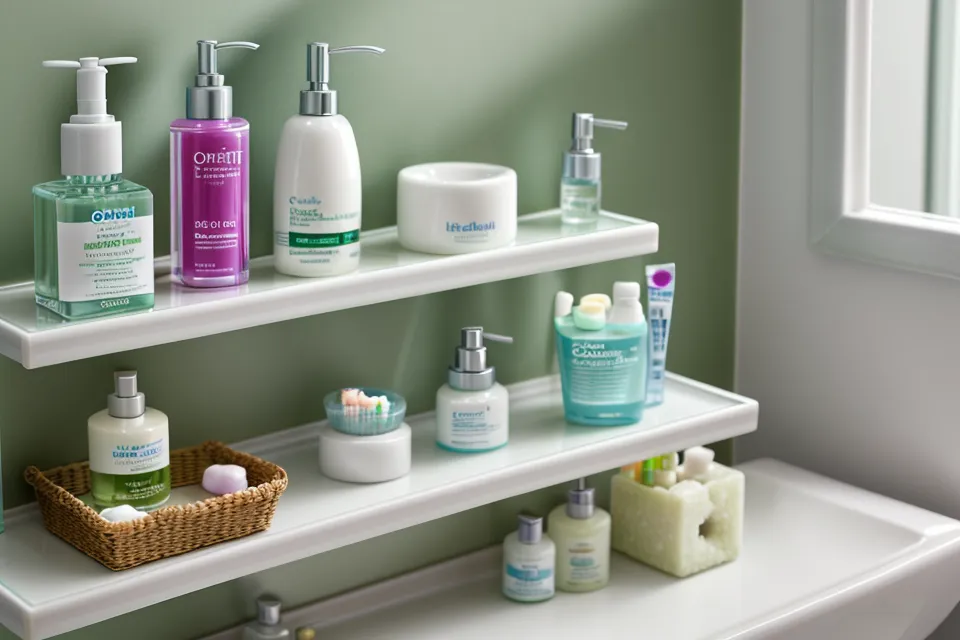
So I switched. Baking soda paste, just enough mixed with a little water to get it thick, turned out to be the gentler option for my mouth. It didn't sting like a punishment. It felt more like something settling the whole area down instead of attacking it.
What Actually Gives Canker Sore Relief Fast?
This is the question I get asked the most, usually from someone else in my building who's also spent years finding reasons to skip the dentist. My answer isn't one single product — it's a short sequence I run through every flare-up. My neighbor Imogen deals with the exact same fear, and she still shows up with a jar of her homemade salsa anytime a recommendation I give her actually works. That's the bar now. Does it work well enough to earn salsa.
The first move is a gentle cleanse: a cotton swab dipped in ordinary over-the-counter hydrogen peroxide, diluted half and half with water, dabbed directly on the sore and nowhere else. It bubbles a little, which is strangely satisfying, but it's nowhere near as harsh as swishing a full rinse around. Right after that comes the baking soda paste again, pressed onto the spot for a few minutes before I rinse it away. Between the two, the sharp, electric edge of the pain dulls noticeably — not because of some clever chemistry I can explain, just because that's what's held true for me flare-up after flare-up. If your mouth tends to run sensitive in general, swapping in a gentler toothpaste without the harsh foaming agents tends to make the whole flare-up less miserable too.
Sealing a Canker Sore Before Coffee, Citrus, or Anything Sharp
The last step is the one nobody mentions: a barrier. A tiny dab of plain coconut oil over the sore, right before I eat or drink anything acidic, keeps coffee and citrus from turning a dull ache into a shock. Dietary triggers matter more than most people expect — coffee, citrus, anything with real bite to it — and there's a whole separate rabbit hole on blunting that kind of damage without obsessing over every sugar swap, one I won't get into here.
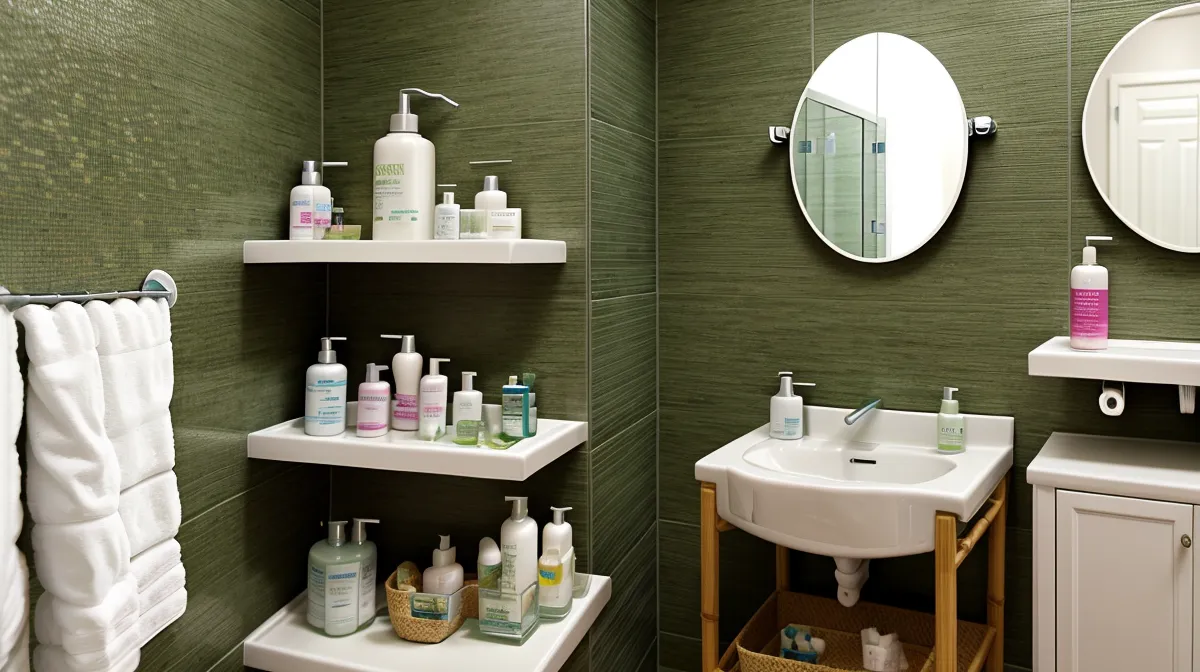
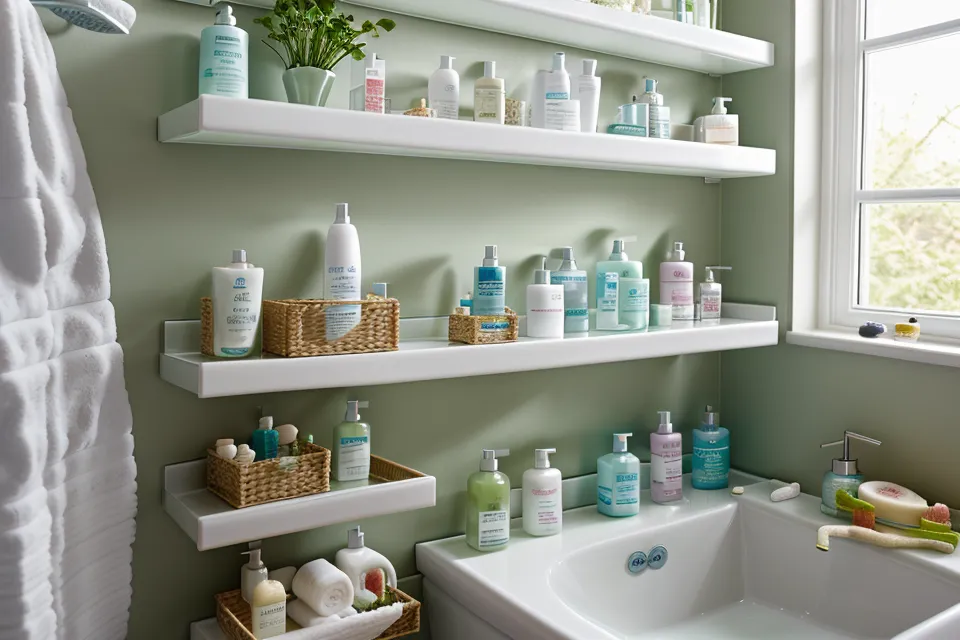
The narrow window ledge in my Capitol Hill apartment's bathroom has basically become a staging area for all of this — a cluster of brown glass bottles and a half-used tub of baking soda that never quite makes it back into the cabinet, because flare-ups don't wait for a tidy routine. Half the toothpaste tubes lined up next to the sink don't even match anymore. That's just what the routine looks like once it's actually lived-in instead of staged for a photo.
The Anxiety Part Is Never Just About the Sore
Here's the part that has nothing to do with chemistry: the fear underneath all of it. Every flare-up drags my brain back to the same spiral, wondering if this is the thing that finally forces an appointment. I tried the calming gummies marketed for exactly this kind of appointment dread, the over-the-counter kind people swear by, and they did nothing. Not a flicker of calm. Just a strange, hopeful placebo that evaporated within the hour.
What actually helps on the rough mornings is less about a product and more about a person. My neighbor Reva teaches yoga two floors up, and she has this steady, unbothered way of showing up during the worst, most unreasonable hours after a bad night that makes the whole situation feel less like a crisis. I've written before about the de-escalation routine I built to quiet late-night dental panic, and the calming-gummy flop only confirmed it: a repeatable process beats a quick fix every time. No pill or candy replaces something you actually trust.
A lot of my sores trace back to stress in the first place, clenching my jaw over a deadline and then biting the inside of my cheek without even noticing. Learning how to stop teeth grinding during the day using mindfulness techniques cut down on the number of sores I get before they even start. Swapping out a harsh, foaming toothpaste with SLS in it was another piece of that puzzle — fewer flare-ups followed once I stopped using it, though I can't tell you the exact reason why, only that the pattern held. That swap became part of a bigger at-home routine now, one I call the anxiety-proof dental routine, and the routine as a whole has done more for my stress than any single product in it ever could.
When a Canker Sore Means You Should See Someone Anyway
Every anxious person needs a line they won't cross, even a shaky one. Mine is simple. If a sore is unusually large, drags on far longer than every other one I've had, or shows up alongside a fever, that's past the point where home care covers it. I'm not a dentist and I have no medical training, just someone who has spent a long time figuring out how to manage this on her own terms, and who knows the difference between stubborn and dangerous mostly through trial and error.
The way I know a flare-up has actually turned a corner isn't scientific. I bite into a cold apple slice, braced for that familiar shooting pain along the edge of the sore, and it just doesn't show up. That's it. That's the whole signal.
None of this makes dental anxiety disappear. It doesn't. Some mornings the fear is just there, canker sore or not, and the best I can manage is having a process ready instead of a panic spiral. If you're sitting with a sore that won't quit and a brain that keeps turning it into something bigger than it is, you're not broken and you're not alone in it — you're just someone who ended up at a bathroom sink instead of a waiting room, same as me.